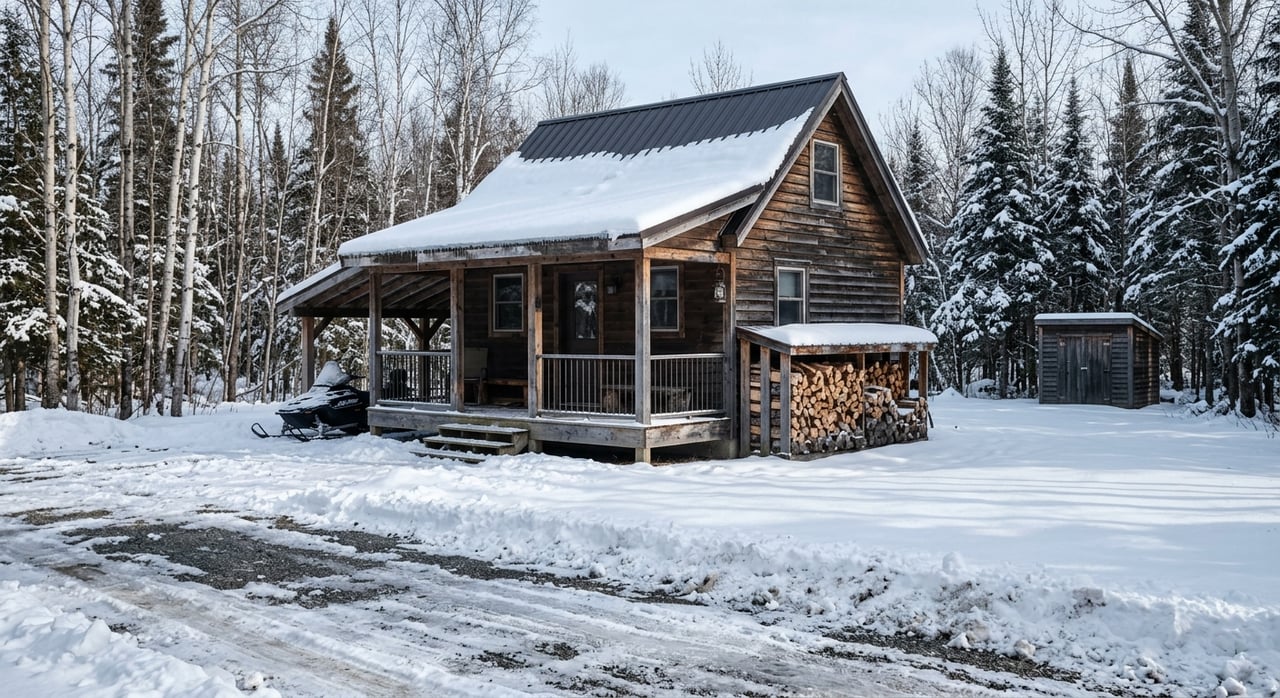
Which North Pole Alaska Home Style Fits You Best?
June 11, 2026
June 11, 2026
Choosing between a single-family home and acreage in North Pole is not just about how much land you want. In this part of Interior Alaska, the better fit often comes down to winter upkeep, road access, utility setup, and whether you want to be closer to city services or spread out on a larger parcel. If you are weighing your options, this guide will help you compare the tradeoffs that matter most in North Pole so you can focus on the right type of property for your lifestyle and budget. Let’s dive in.
North Pole is a distinct housing market with more variety than many buyers expect. The City of North Pole covers about 4.05 square miles, but the broader Fairbanks North Star Borough spans 7,444 square miles, and most of that land is undeveloped and uninhabited. That means your search may include everything from more service-oriented in-town homes to larger-lot properties and rural-feeling acreage along road corridors outside the city core.
It also means the question is usually not just “single-family or acreage?” A more useful comparison is often city-served home versus larger-lot or rural-feeling parcel in a very specific location. In North Pole, location can affect road maintenance, utility access, permitting, and even what kind of future improvements may be practical.
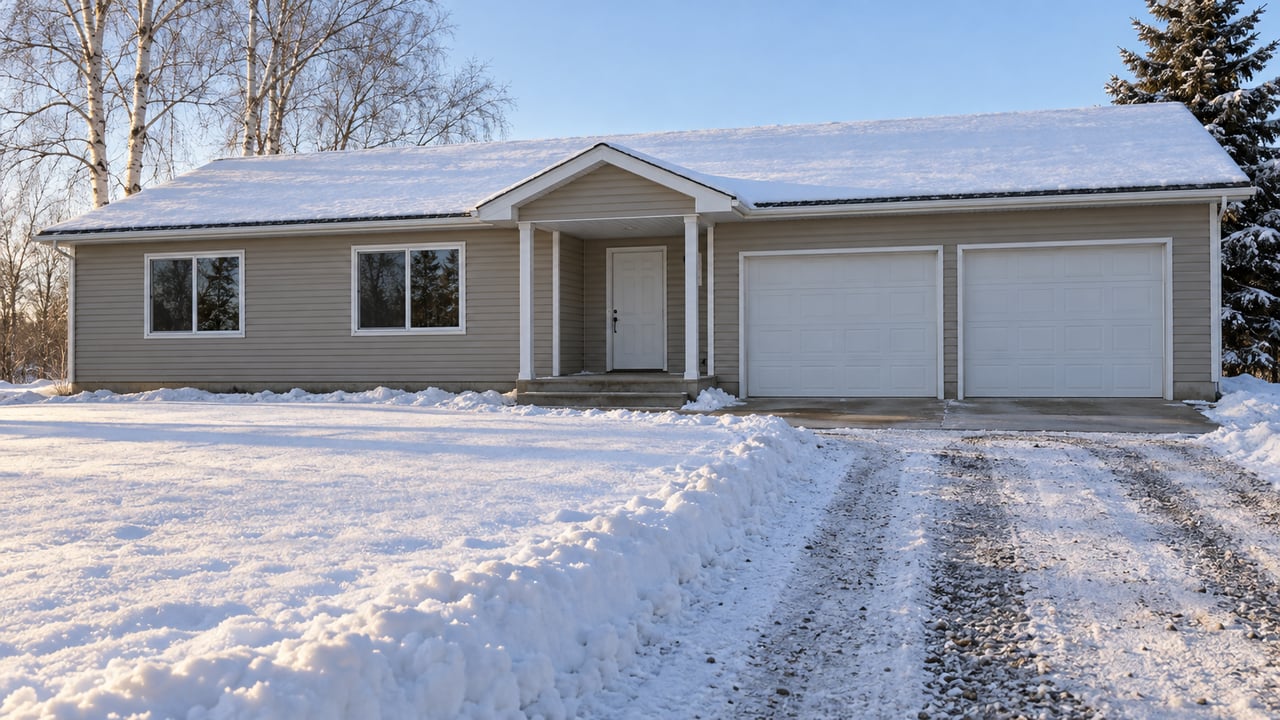
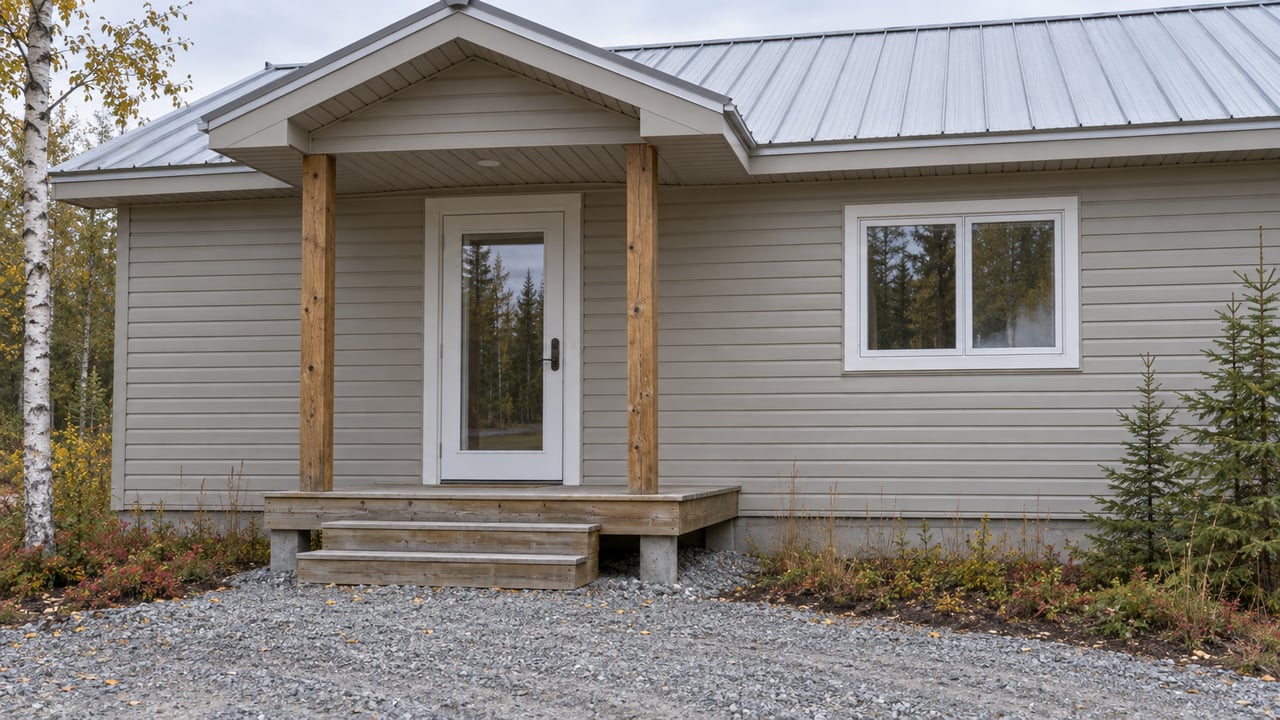
In-town single-family homes are often the most service-oriented option in the North Pole area. The borough describes the cities of Fairbanks and North Pole as having smaller lots supported by public water and sewer systems, along with a mix of single-family and other residential uses. Even within North Pole city limits, the layout is not always a tight urban grid, but homes closer to town generally offer more convenience.
If you want simpler day-to-day living, this category can be appealing. Shorter driveways, smaller yards, and access to city-supported services can make ownership feel more manageable, especially during winter. For buyers who want a more predictable routine, that convenience can be a major advantage.
An in-town single-family home may be a strong fit if you want:
This option can also appeal to relocation buyers and military households who want to stay mindful of commute times. North Pole is often described as about a 20-minute drive from Fairbanks, and Eielson Air Force Base is about 10 miles southeast of North Pole.
North Pole is not simply divided into city lots and remote acreage. The borough notes that the east side of the central business district includes a blend of commercial, rural/agricultural, and residential uses, including rural residential zoning. It also says lot sizes generally grow as development moves farther from the city center.
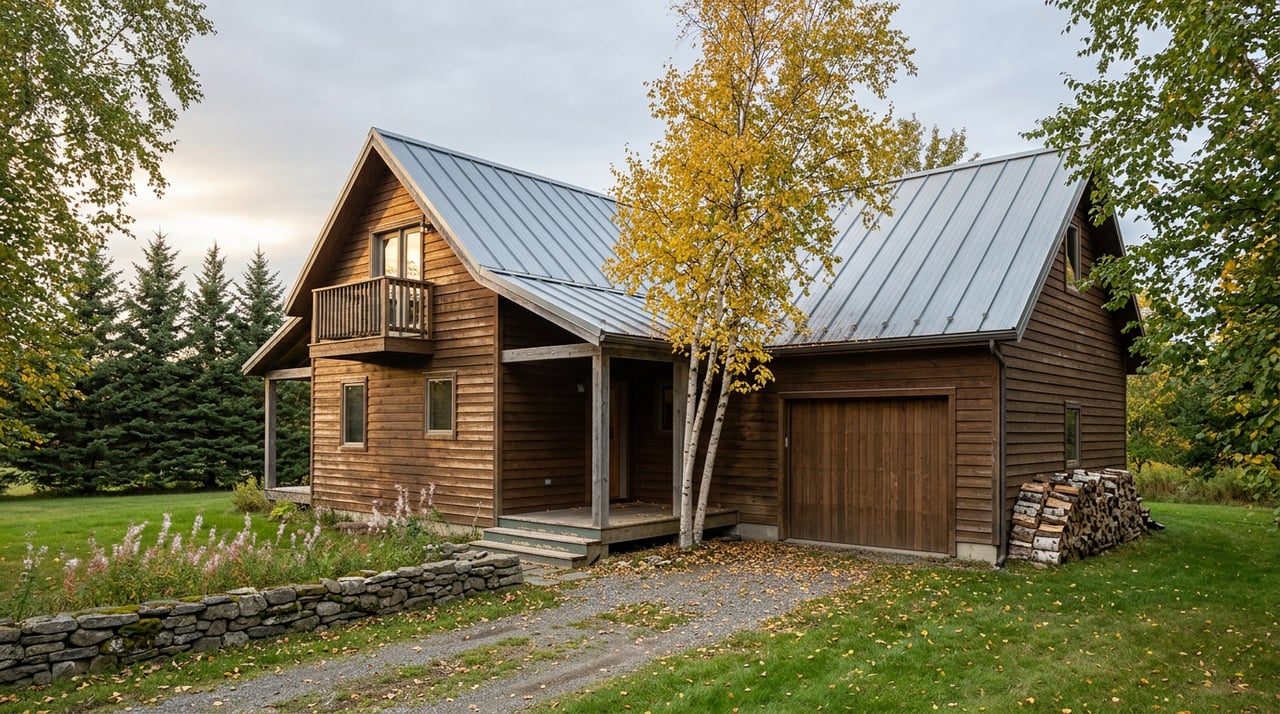
That creates a middle-ground option many buyers overlook. You may find homes with more elbow room than a typical in-town lot while still staying relatively close to North Pole’s services and main travel routes. For many households, this balance can offer the best of both worlds.
A larger-lot home can give you:
That said, more land usually brings more responsibility. You may have more snow to manage, more driveway to maintain, and more questions to answer about utilities, jurisdiction, and long-term use.
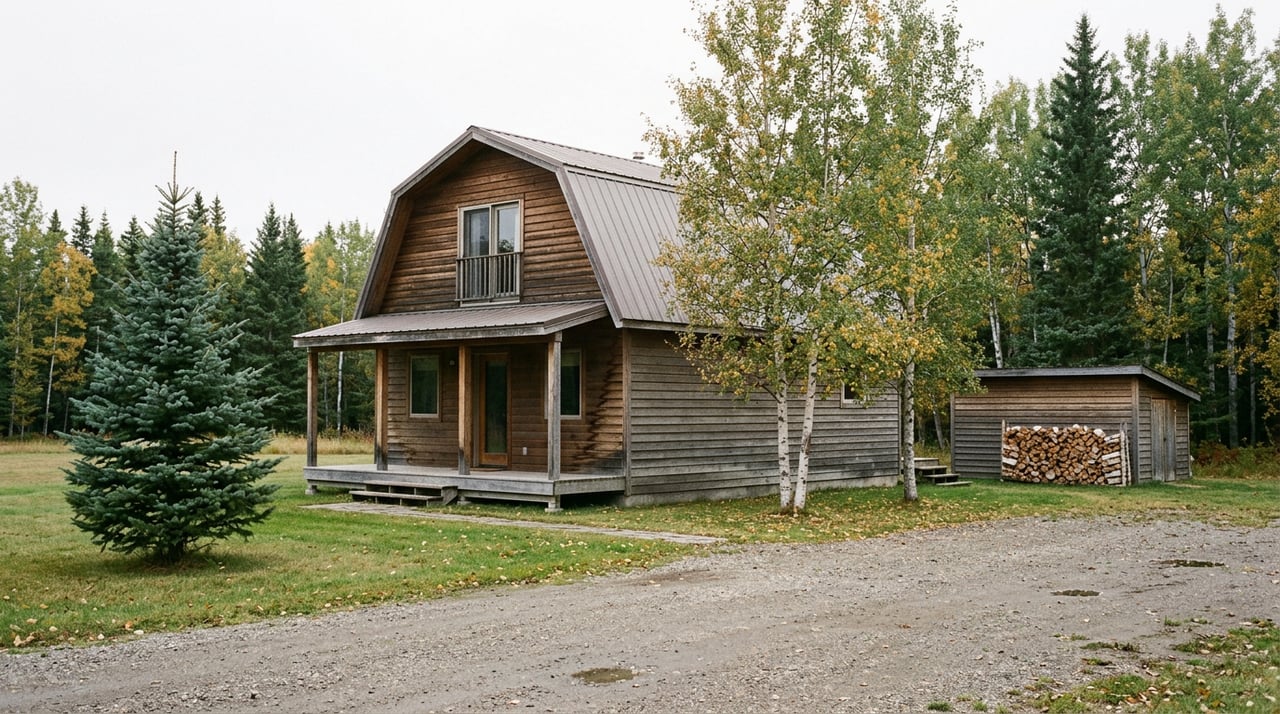
Acreage in the North Pole area is a different product from a subdivision lot, even when it is still relatively close to town. Outside the incorporated cities and military installations, the borough describes residential development as ranging from small lots to suburban large-lot neighborhoods and rural residential development, with some off-the-grid living. In other words, acreage can vary widely in how it lives on a daily basis.
This option often attracts buyers who value privacy, yard space, and flexibility. As parcels get larger, privacy and open space usually increase, while convenience and access to city services usually decrease. That tradeoff is one of the biggest decision points in the local market.
Before you fall in love with the extra space, make sure you look closely at the practical side of ownership. Acreage can be a great fit, but it often requires a more detailed review of the property itself.
Key questions include:
South, east, and northeast of North Pole, much of the land is in a Groundwater Damage Protection designation. According to the borough, that can limit basements and other below-grade construction. If a basement or certain types of expansion matter to you, this is an important issue to verify early.
In North Pole, winter is not just a season. It is a major part of how a property functions. NOAA climate normals for the North Pole station show an average annual temperature of 28.1°F and annual snowfall of 54.0 inches, with January averaging 9.4 inches of snow.
Those numbers help explain why property layout matters so much here. As parcels become larger or more rural, driveway length, plow access, roof loading, and snow storage can become much bigger ownership factors. A property that looks ideal in summer may feel very different after a long stretch of snow and cold.
When comparing homes, it helps to think beyond the house itself. Ask how the property performs in January, not just in July.
Consider:
For many buyers, these questions can narrow the search quickly. A little more convenience can sometimes outweigh the appeal of a larger parcel.
One of the most important local details is who is responsible for the road. The borough says North Pole manages select roads inside city boundaries, the borough maintains roads in road service areas, and state or installation roads are handled by those entities. That means two homes that feel similar on paper may have very different maintenance setups.
Jurisdiction can also affect permitting. The city says its charter and boundaries give it authority to require building permits within city limits. If you are considering updates, additions, or outbuildings, knowing whether a parcel is inside or outside city limits is more than a technical detail.
A lower purchase price does not always mean lower overall ownership costs. If a home comes with a longer driveway, more land, more snow management, or more complex improvement planning, your day-to-day costs and responsibilities may change.
North Pole’s 2025 budget shows a 5.5% sales tax and a 3.5 mill rate, and the city says sales tax helps fund services including road maintenance. Looking at the local tax structure along with purchase price can give you a more realistic picture of what ownership may feel like over time.
If you are deciding between a single-family home and acreage in North Pole, start with how you want to live rather than just what looks best online. The right choice usually comes down to how you balance space, convenience, winter upkeep, and future plans for the property.
A simple way to frame it is this:
| Option | Often Best For | Main Tradeoff |
|---|---|---|
| In-town single-family | Buyers who want convenience, services, and easier maintenance | Less land and privacy |
| Larger-lot home near town | Buyers who want more space without going fully rural | More upkeep and more property-specific questions |
| Rural-feeling acreage | Buyers who prioritize privacy, open space, and flexibility | More complex ownership and winter logistics |
There is no one-size-fits-all answer in North Pole. A property that works beautifully for one buyer may be the wrong fit for another, especially when commute patterns, winter routines, and future use plans are different.
The good news is that local guidance can make this choice much clearer. When you compare jurisdiction, road responsibility, utility setup, land-use category, and winter practicality early in the process, you can avoid surprises and focus on homes that truly match your goals.
Whether you want an in-town home with simpler upkeep or a larger parcel with room to spread out, working with a local team can help you compare the details that matter most in the North Pole market. To start your search or request a custom marketing plan, connect with Andie Ornelas.
Stay up to date on the latest real estate trends.


We gain a dedicated team that’s always available, combining collective expertise and strategic, tailored marketing to ensure your home is represented at its absolute best.