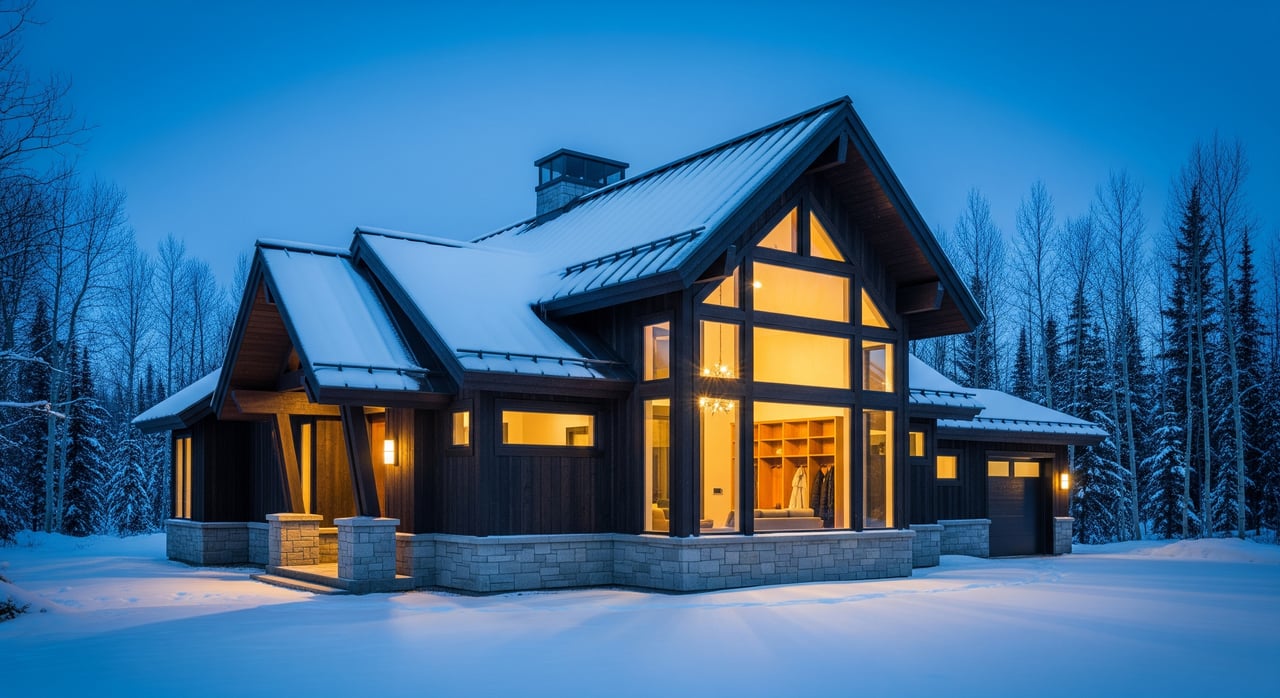
Key Shannon Park Arctic Home Features for Buyers
January 1, 2026
January 1, 2026
Shopping for a home in Shannon Park and wondering what really matters in our deep Interior Alaska winters? When temperatures dip below −20°F, the right features make the difference between a cozy season and a costly headache. You want comfort, safety, and predictable bills without surprises after move-in. In this guide, you will learn the arctic home features that count, how to spot quality, and the exact questions to ask at showings.
Let’s dive in.
Fairbanks North Star winters are long and very cold. Builders in Shannon Park focus on heat retention, moisture control, and keeping plumbing from freezing. That is why you see features like vestibules, triple-pane windows, high R-value insulation, sealed foundations, and robust heating systems.
Local codes and research are tailored to cold climates. Alaska organizations publish guidance for insulation levels, ventilation, and foundation design suitable for Interior conditions. The bottom line for you: construction choices here are designed for extreme cold first, and mild weather second.
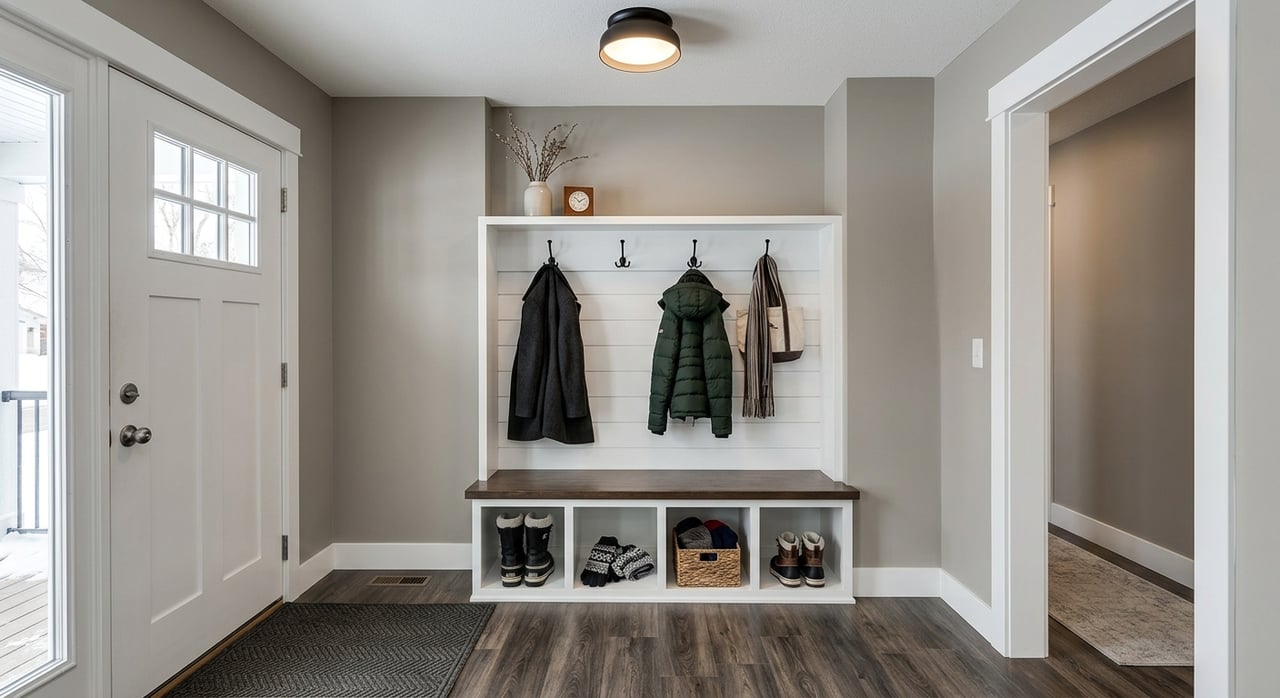
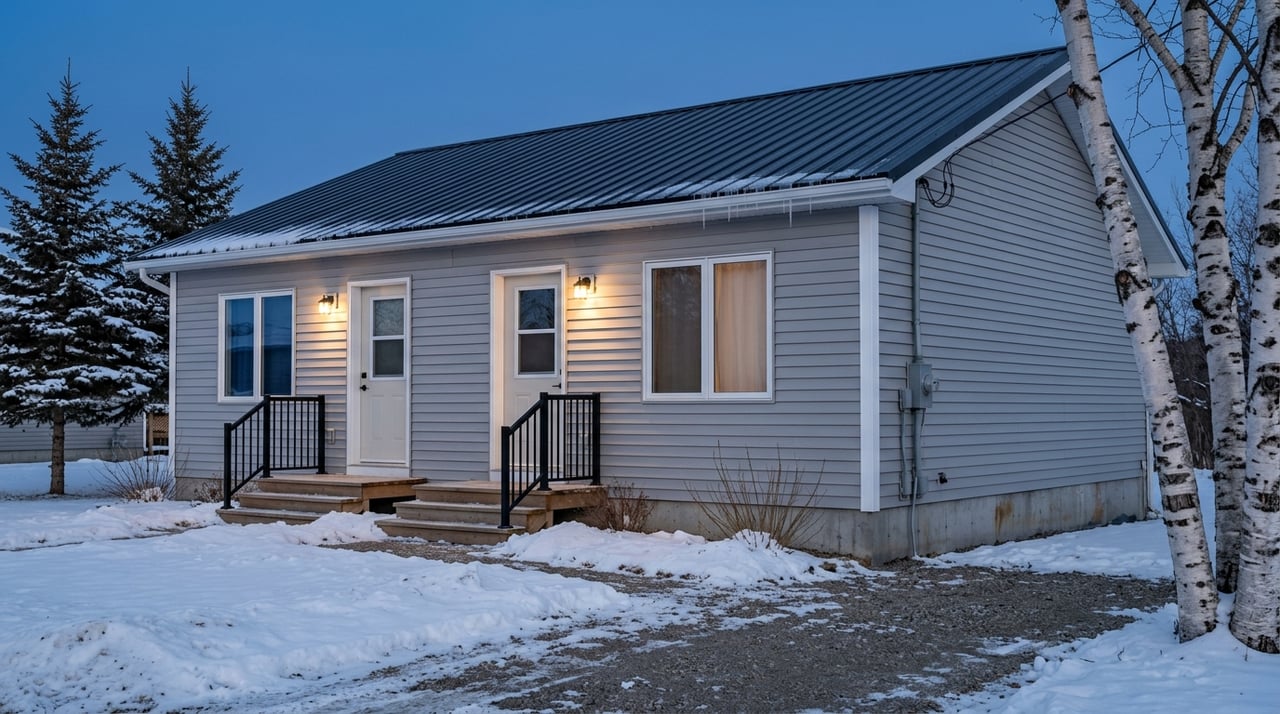
An arctic entry, or vestibule, is a small enclosed space between the exterior door and the main interior. It acts as a buffer that limits cold air rushing into the living space, and it gives you a spot to shed snow and wet gear.
You will often see 4 to 8 feet of depth, durable flooring, storage for coats and boots, and either heated or semi-conditioned space. During a showing, check the inner door seals and thresholds, look for draft points, and note how snowmelt is managed. Good seals and durable flooring make daily winter life easier.
Windows lose a lot of heat in winter, so you will want to know what is installed. Many homes use triple-pane windows with low-E coatings and argon or krypton fills. These reduce heat loss, drafts, and interior condensation during cold snaps.
Look for manufacturer stickers, U-factor ratings, and any replacement receipts or warranties. Ask the age and make, whether there is a history of condensation or seal failure, and if older storm windows are still in use. Expect higher upfront cost with triple-pane units, but better comfort and typically lower heating bills over time.
You will commonly find hydronic boilers with radiators or in-floor radiant heat, high-capacity forced-air furnaces, and in some cases, cold-climate heat pumps as a supplement. Hydronic systems are popular because they deliver steady heat and pair well with radiant floors.
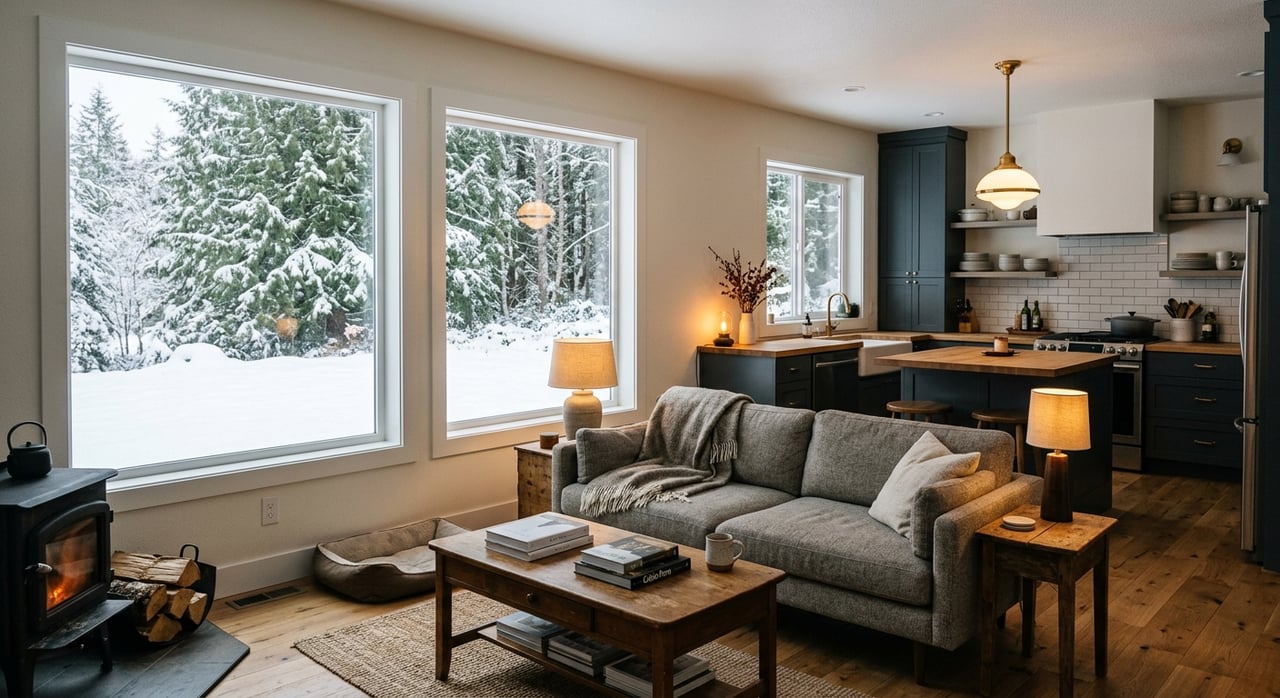
Cold-climate heat pumps can operate efficiently to very low temperatures but often serve as a supplement. Many Shannon Park homes still rely on a primary boiler or furnace for the coldest days. Backup heat is normal here, whether that is a secondary system or a wood stove. Ask about fuel type and typical bills, the age and service history of the equipment, number of zones and thermostats, and any backup heat sources.
High R-values and tight air sealing are key in Interior Alaska. You will commonly see attic or ceiling insulation in the R-50 to R-70 range, wall assemblies in roughly R-21 to R-28 depending on construction, and foundation or slab perimeter insulation in the R-10 to R-20 range.
A tight envelope requires mechanical ventilation to keep indoor air healthy. Ask sellers about insulation upgrades, documentation of levels, and any blower-door or energy audit results. Look for signs of ice dams or moisture issues that could point to attic air leaks or poor ventilation.
Because homes here are built tight, mechanical ventilation helps you maintain air quality and control moisture. Heat Recovery Ventilators, or HRVs, exchange stale indoor air with fresh outdoor air while recovering heat. Some homes also use whole-house humidifiers in dry winter air.
Confirm whether an HRV or ERV is installed, its maintenance history, and filter or core replacement dates. Ask about any moisture issues in basements or crawlspaces. Balanced ventilation supports comfort and reduces condensation risk in severe cold.
Foundations in the Fairbanks area are designed to manage frost heave and, in some spots, permafrost. You may see slab on grade with perimeter insulation, sealed and insulated crawlspaces, or basements. In certain areas, frost-protected shallow foundations or piles are used.
During showings, ask for the foundation type, insulation details, and any history of movement, frost heave, or settling. Look for sump pumps and ask if they are functional. Verify whether additions and foundation work were permitted and inspected.
Interior Alaska homes are engineered to prevent frozen pipes. Common approaches include routing pipes inside conditioned space, installing heat tape on vulnerable runs, and insulating or burying exterior service lines below frost depth.
Ask about any history of frozen or burst pipes, the location of the main water shutoff, and whether heat tape is present and properly wired. Pay special attention to plumbing that runs through garages, crawlspaces, and exterior walls.
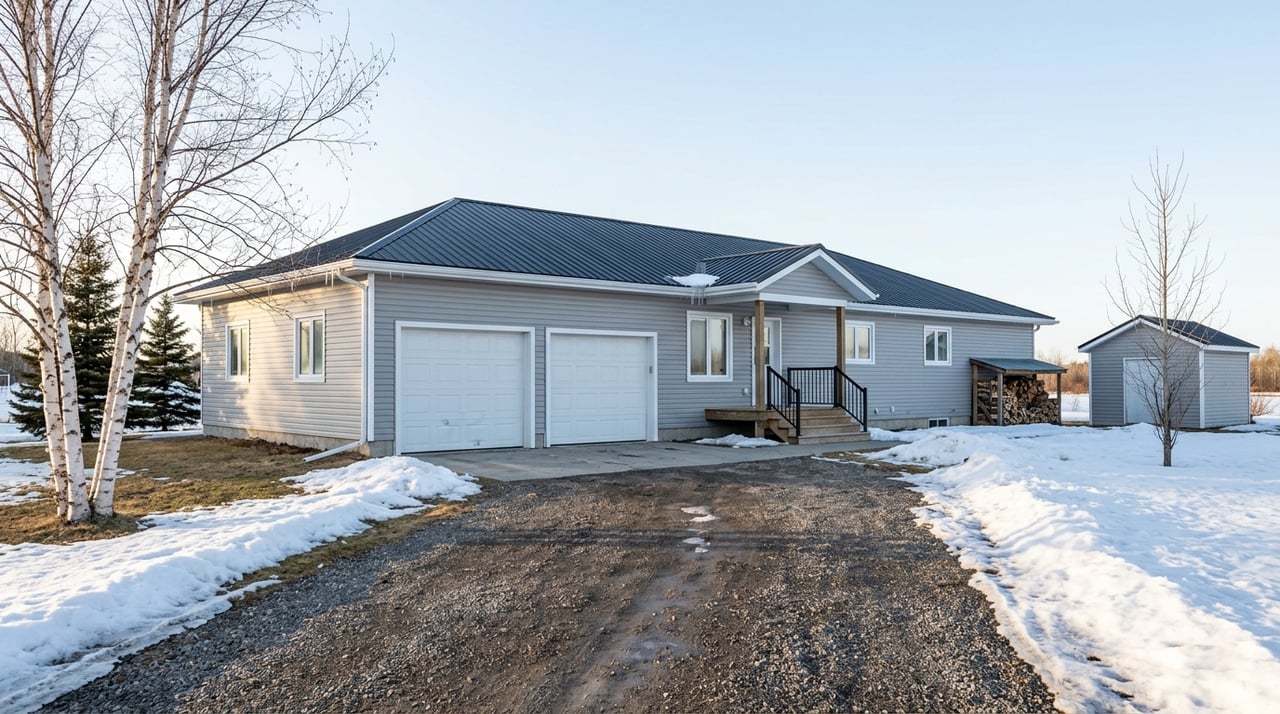
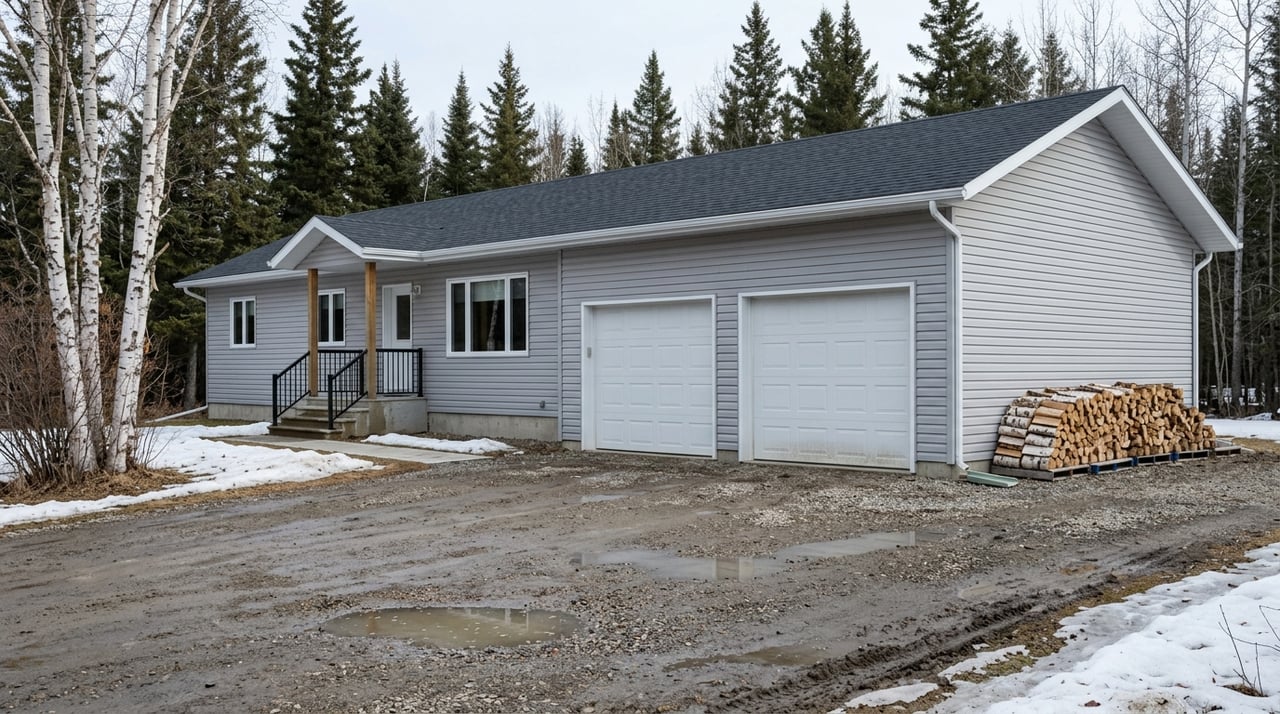
A “heated garage” can mean several things. It could be fully conditioned, have a dedicated heater, or simply be insulated with a small heater to prevent freezing. Heated garages protect vehicles and stored items, but they add to energy use if not well isolated from the home.
Check whether the garage has its own thermostat, the insulation and R-value of the garage door, and how the heat is supplied. If plumbing runs through the garage, confirm the freeze protection strategy.
Use this to focus your questions during tours and inspections:
High-performance features cost more upfront but typically reduce annual heating bills and improve comfort. Expect windows to last 20 years or more depending on quality, boilers and furnaces to last about 15 to 30 years with maintenance, and heat pumps around 15 to 20 years.
If you plan to renovate, start with air sealing and attic insulation for the best return. Take care of any moisture or foundation issues before finishing spaces. Consider window upgrades and an HRV if you are tightening the envelope. A hybrid approach that uses a heat pump alongside a boiler or furnace can reduce fuel costs while preserving reliable backup for extreme cold.
Programs from state and local organizations sometimes support energy upgrades. Check for current incentives or financing options for efficiency improvements and heat pumps.
Plan for a home inspection by someone experienced with Interior Alaska conditions. Ask for permit records from the borough for additions, HVAC work, and foundations. When you evaluate contractors, look for verified experience in frost-protected foundations, hydronic systems, HRVs, and window replacement suited to severe cold.
If you want a smooth process and local insight on where these features matter most, our team can help you focus on homes that already meet your comfort and efficiency goals. Start your search with the local experts who understand Shannon Park winters and what it takes to thrive here.
Ready to find the right home for Interior Alaska living? Reach out to OP Realty Group for local guidance and a confident path to closing.
Stay up to date on the latest real estate trends.
We gain a dedicated team that’s always available, combining collective expertise and strategic, tailored marketing to ensure your home is represented at its absolute best.