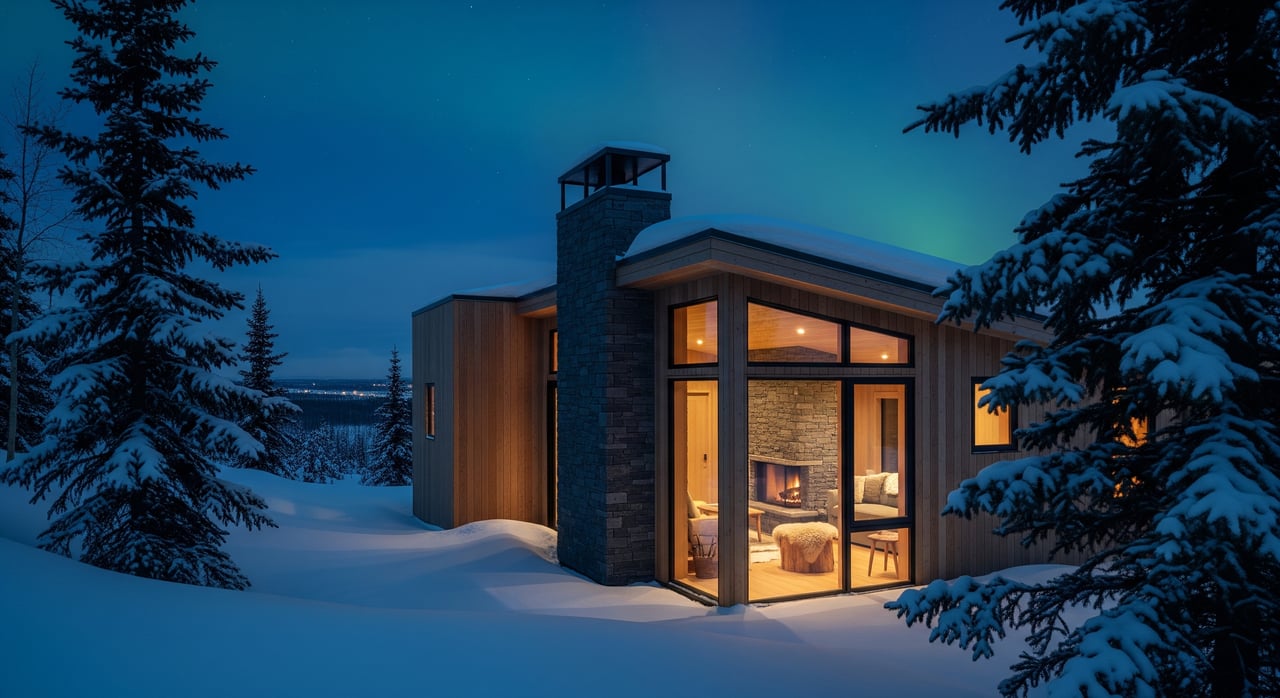
Living in North Pole Alaska: What Daily Life Is Like
February 5, 2026
February 5, 2026
Thinking about putting down roots in North Pole? You probably picture candy-cane streetlights and snowy roofs, and you would not be wrong. You also get a tight-knit community, quick access to Fairbanks, and a lifestyle built around Interior Alaska’s big seasons. In this guide, you will learn what daily life looks like here, how housing and utilities work, where people commute, and practical tips to help you decide if North Pole is a fit. Let’s dive in.
North Pole is a small city in the Fairbanks North Star Borough best known for its year-round holiday theme and friendly, small-town pace. The city’s identity is part hometown and part destination, anchored by local landmarks and events that celebrate the season. Many residents work in Fairbanks or at nearby military installations, so North Pole functions as a comfortable residential base with easy regional access. For city services, events, and contacts, start with the City of North Pole official website.
Winter sets the rhythm here. You will experience long, cold, and snowy months with very short daylight near the solstice. Daily life adapts around reliable heating, snow removal, and well-prepped vehicles. For climate context and updates, the NWS Fairbanks office provides regional advisories and climate pages.
Summer is the flip side. You get warm, bright days with long evenings and a short but productive building and landscaping season. Many people plan projects, travel, and outdoor recreation during this window. If you want to see how daylight changes across the year, the NOAA sunrise and sunset calculator is a helpful tool.
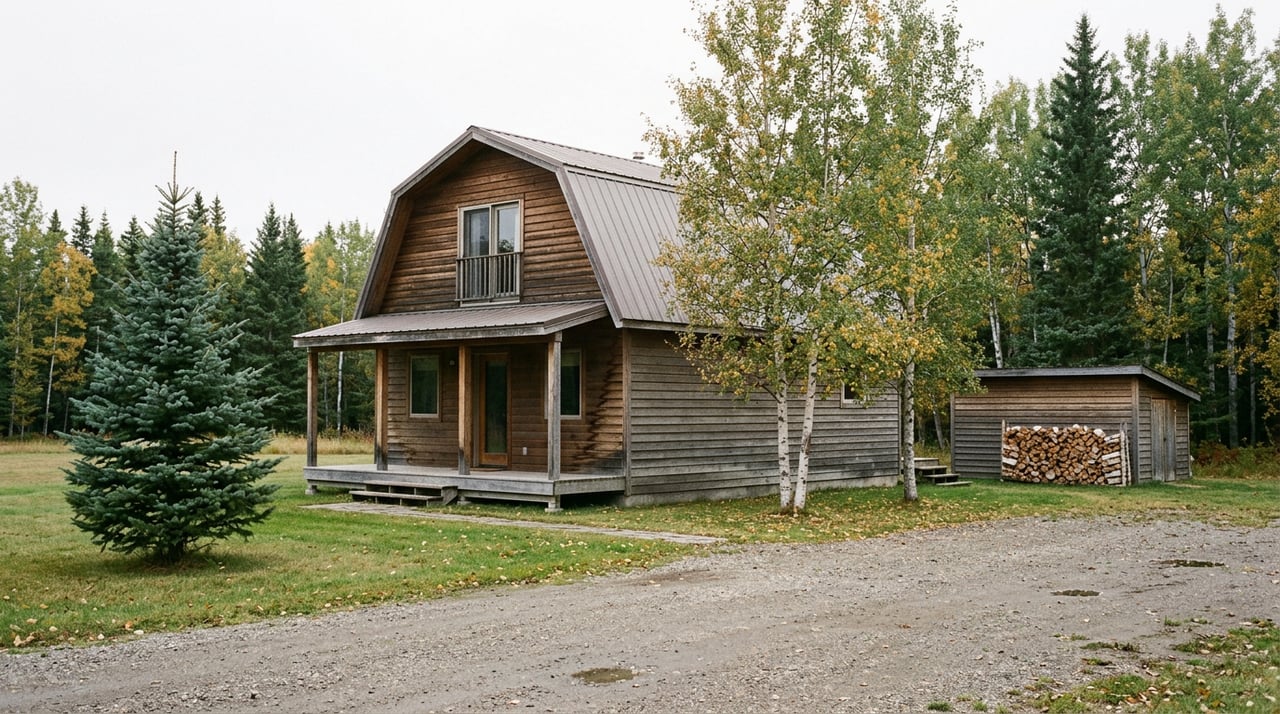
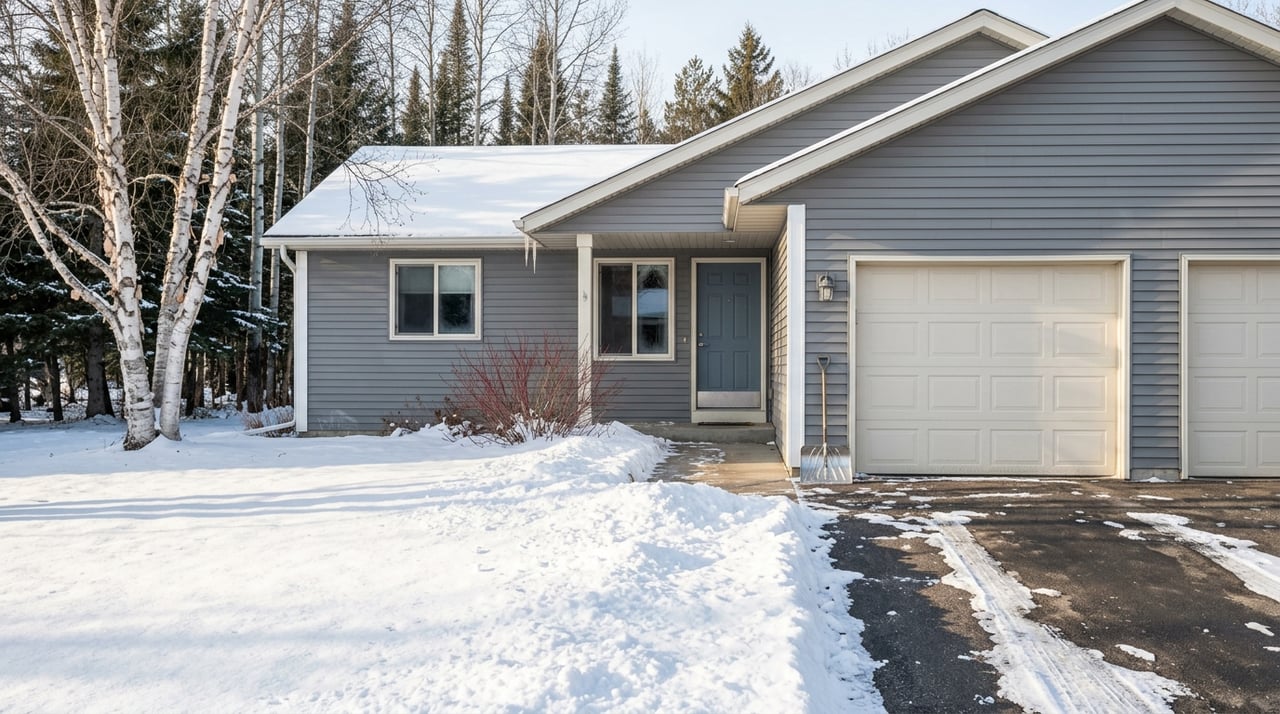
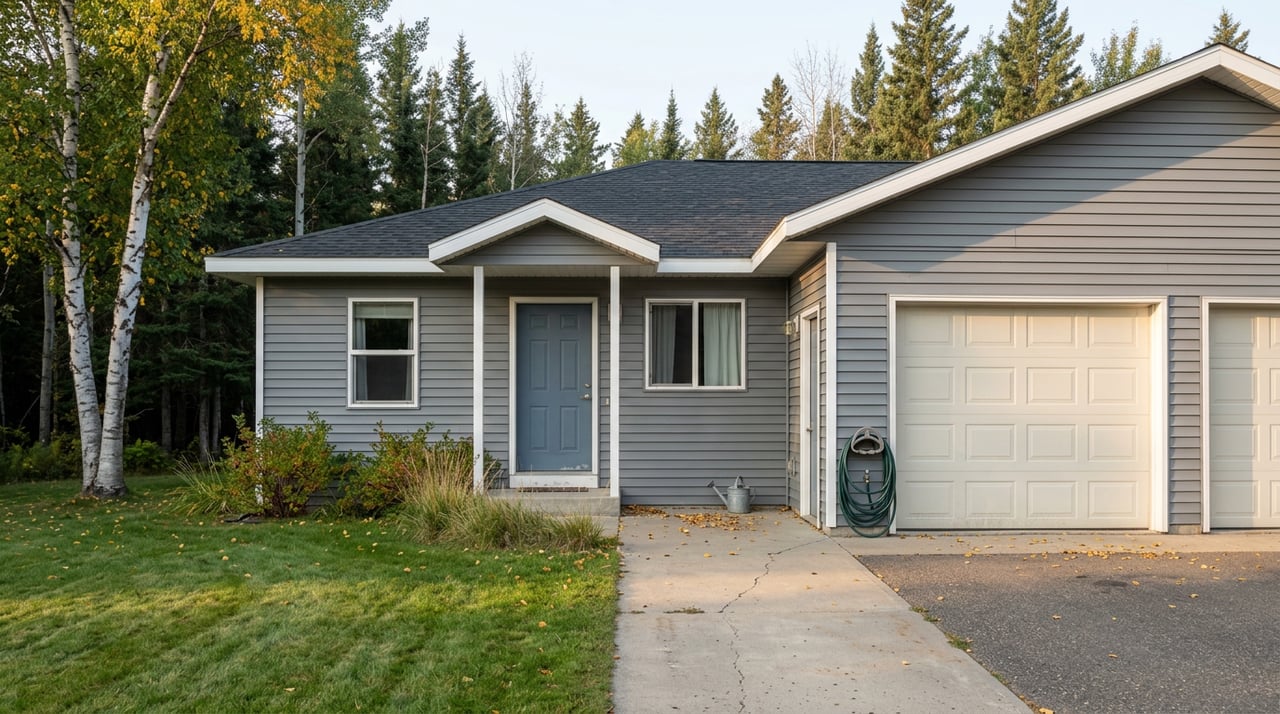
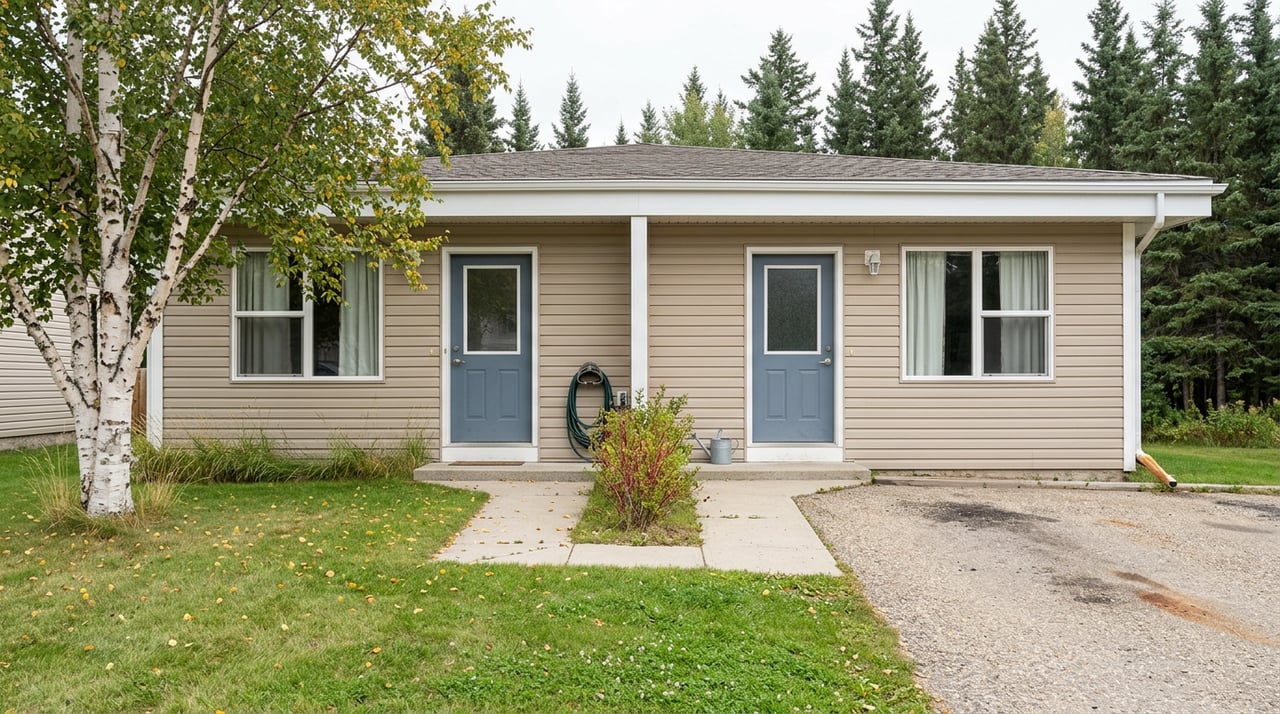
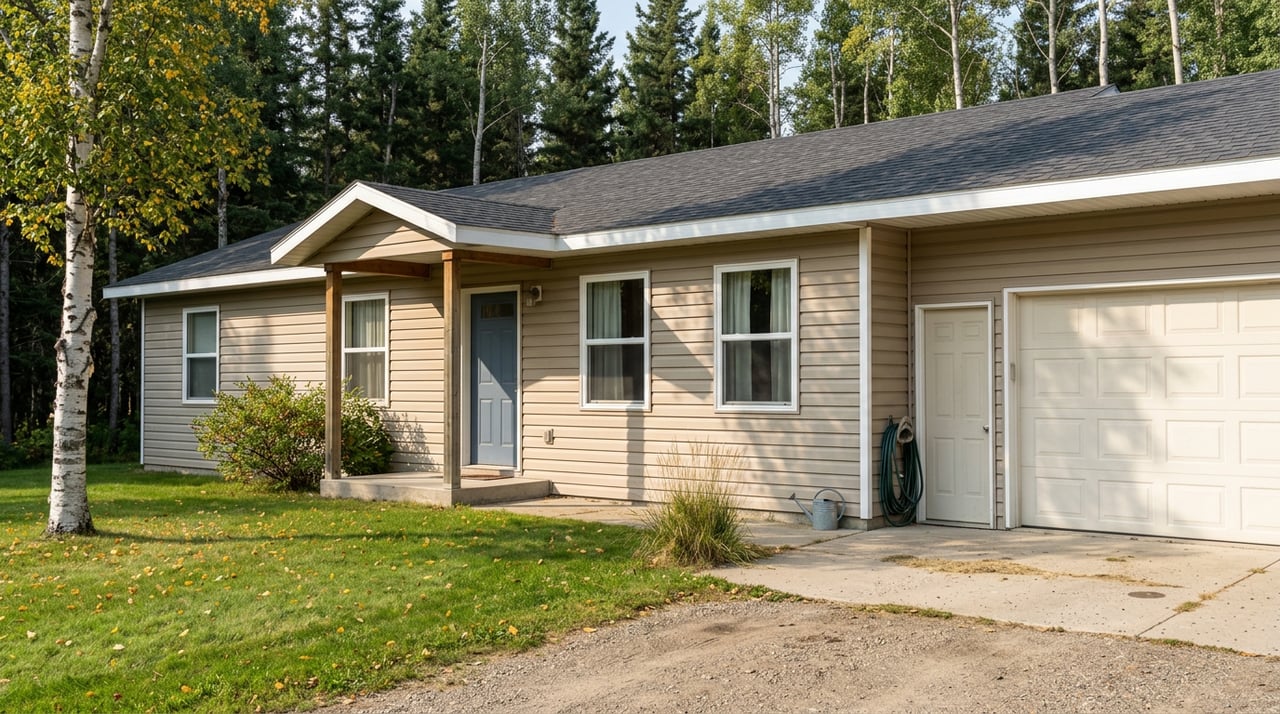
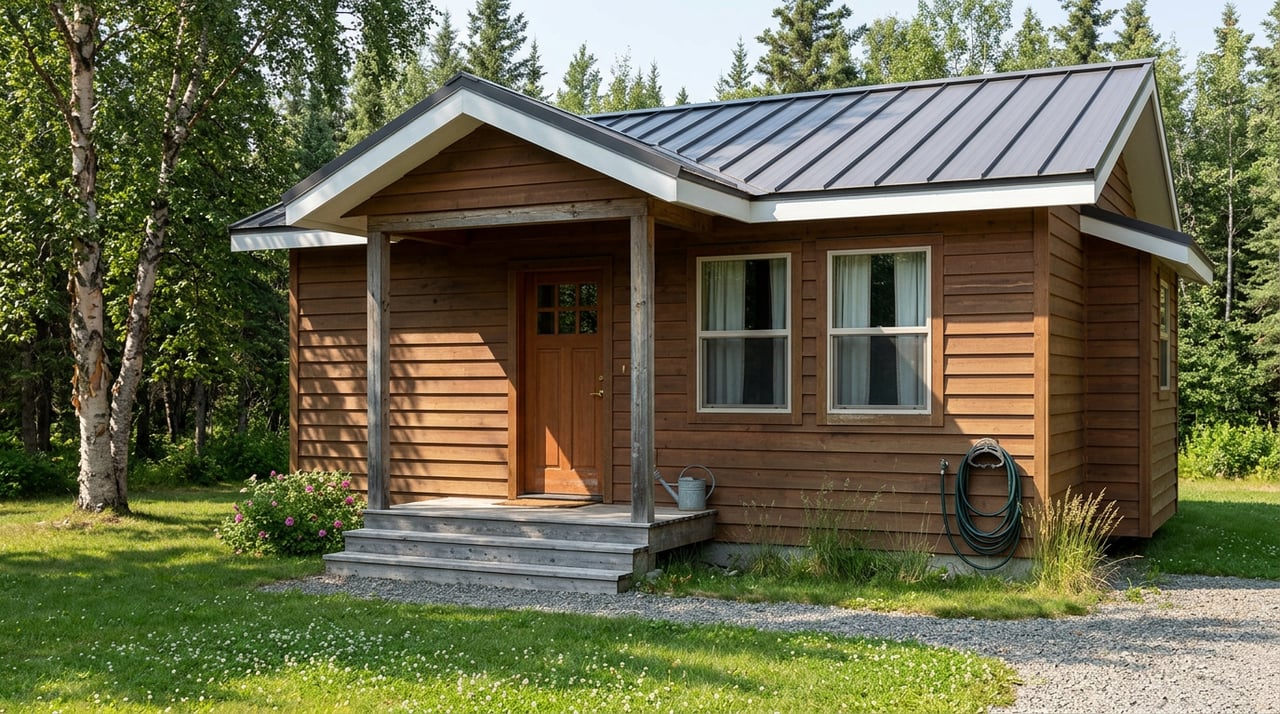
You will find a mix of single-family homes in ranch, split-level, and modest two-story styles, plus some manufactured homes. Cold-climate features are common, including higher insulation, durable siding, and enclosed entryways to keep heat in. Lot sizes vary from subdivision parcels to larger, more wooded properties on the outskirts.
Heat is the main utility consideration. Many homes use natural gas where available, oil or propane systems, and some add wood or pellet stoves for primary or backup heat. Water and sewer can be municipal in several areas, while some properties rely on private wells and septic systems. Always confirm the service type by address during your home search. Broadband options include regional wired providers in some neighborhoods and satellite where lines are limited. Energy efficiency upgrades are a valuable plus due to winter fuel use.
Driving is the norm. North Pole connects to Fairbanks and nearby bases by major highways, and winter conditions can lengthen drive times. Most households run winter tires, carry emergency kits, and track road advisories in the colder months. For current conditions across Interior Alaska, check 511 Alaska road reports before longer drives.
Public transit exists on a limited regional basis. Biking and walking are popular in summer and shoulder seasons, but deep winter shifts most travel to cars or carpools. Air travel is available through Fairbanks International Airport in the regional hub.
You have everyday services close by, including groceries, gas, hardware, dining, and local shops. Big-box retail, specialized healthcare, and broader entertainment options are in Fairbanks. K–12 public schools are part of the Fairbanks North Star Borough School District; explore current school listings and programs through the district website.
For hospital care and most specialists, residents use Fairbanks Memorial Hospital. Learn about services, clinics, and contact information at Fairbanks Memorial Hospital.
Outdoor access is a major perk. In winter, you will see residents on cross-country ski trails, snowmobile routes, and nearby backcountry areas. Summer brings fishing, river time, hiking, and community sports. North Pole’s holiday identity adds seasonal events and a steady dose of local pride. City parks, youth programs, and volunteer groups create a busy calendar that changes with the seasons.
Before you write an offer, look closely at a property’s systems and seasonal fit. A quick checklist helps:
Vehicle prep matters too:
Timing your move around the seasons can reduce stress. Many locals prefer summer for easier access and projects, though well-planned winter moves work with the right support.
If you want a smaller-town lifestyle with fast access to Fairbanks jobs, military bases, and year-round outdoor recreation, North Pole delivers. You will trade long winter nights for bright summer evenings, and you will lean into smart home choices that make cold-weather living comfortable. When you are ready to explore homes that match your goals, the team at OP Realty Group is here with local market knowledge, responsive systems, and clear guidance from search to closing.
Stay up to date on the latest real estate trends.


We gain a dedicated team that’s always available, combining collective expertise and strategic, tailored marketing to ensure your home is represented at its absolute best.