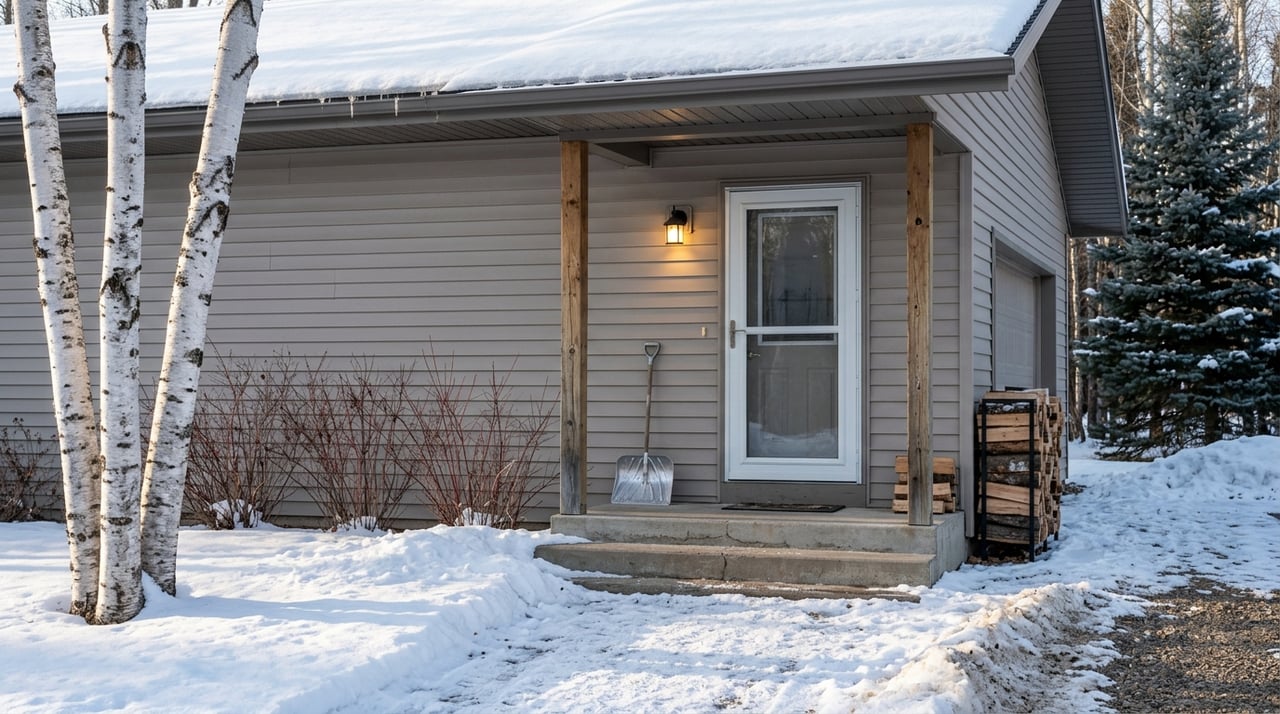
Shannon Park Housing Market And Timing Your Move
April 2, 2026
April 2, 2026
Trying to time a move in Shannon Park can feel tricky when headlines say one thing nationally and your local options tell a different story. If you are buying or selling here, you need a clear read on what the numbers actually mean in a small neighborhood market. This guide breaks down current Shannon Park housing conditions, what seasonality looks like in Interior Alaska, and how to choose a timing strategy that fits your goals. Let’s dive in.
Shannon Park is a small market, which means a few sales can swing the stats quickly. According to Redfin’s February 2026 neighborhood snapshot, the median sale price was $367,000, down 9.93% year over year.
That same snapshot showed homes averaging 127 days on market, with only 2 homes sold that month. In a neighborhood with that little turnover, it is important to avoid reading too much into any single month. Still, the data points to a market that is moving at a measured pace rather than a fast, highly competitive one.
Because Shannon Park has such a small transaction pool, it helps to compare it with the broader Fairbanks market. In Realtor.com’s March 2026 Fairbanks market summary, Fairbanks had 265 active listings, a median listing price of $279,250, median days on market of 39, and a 101% sale-to-list ratio.
Realtor.com also labels Fairbanks a buyer’s market. That does not mean every home sells at a discount, but it does suggest buyers may have more room to evaluate options and negotiate than they would in a tighter market.
If you are selling in Shannon Park, the biggest takeaway is simple: pricing still matters a lot. With a year-over-year price dip in the neighborhood and longer average marketing times, sellers do not appear to have unlimited pricing power.
That means your launch strategy should focus on realistic pricing, solid presentation, and clear documentation. In a slower micro-market, buyers often compare value carefully, and overpriced homes may sit longer.
The local data suggests that accurate initial pricing matters more than trying to test the market with an aggressive list price. Shannon Park’s median sale price declined year over year, while the broader Fairbanks market still averaged about asking price at closing, which points to the importance of condition and pricing alignment.
For sellers, this creates a practical choice. You can enter the market with a price that reflects current demand and condition, or risk chasing the market later with reductions.
Longer time on market often means buyers have more time to compare homes and ask questions. In Fairbanks-area conditions, that includes heating systems, maintenance history, and signs that the home is ready for a long winter.
The Fairbanks North Star Borough notes that the region has an extreme climate, including about 65 inches of annual snowfall and long periods of limited winter daylight, as outlined in its existing conditions report. That makes practical readiness a meaningful part of your sale strategy.
If you are buying in Shannon Park, today’s conditions may give you more breathing room than you would expect in a faster market. The slower neighborhood pace and Fairbanks’ buyer’s-market label suggest you may be able to negotiate not just on price, but sometimes on timing or other terms.
That said, timing your move depends on what matters most to you. Some buyers care most about having the widest choice, while others want the strongest leverage.
Nationally, the National Association of Realtors seasonality analysis says housing activity typically peaks from April through June. That pattern usually supports more listings and faster movement in spring and early summer.
For Shannon Park buyers, that likely means the best selection shows up when daylight improves, access conditions are easier, and more sellers feel ready to list. If finding the right property matters more than negotiating the deepest discount, that may be your best window.
The same NAR analysis notes that winter is usually the slowest period, which can give buyers more negotiating power. Realtor.com also reported that 20.7% of June 2025 listings had price reductions, and that delistings are highest in winter and lowest in summer.
Put together, those patterns support a practical idea: if you are comfortable shopping during a quieter season, you may find sellers who are more flexible on price or terms. In a market like Shannon Park, where homes may already take longer to sell, that can matter.
Seasonality in Shannon Park is not just about buyer behavior. It is also shaped by the realities of living in Interior Alaska.
The borough reports about 62 winter days with less than 8 hours of light per day, with first snowfall usually arriving in early October and spring green-up typically starting in early May. Those local conditions can influence when homes show their best, when exterior work gets done, and when moving logistics feel easier.
For many sellers, late winter is the time to prepare, and spring is the time to launch. Once daylight improves and snow conditions ease, curb appeal is easier to show and buyers can better evaluate access, lot features, and exterior condition.
That timing also lines up with broader national seasonality patterns that typically bring more market activity in spring. More active buyers can mean more visibility for your listing, even if Shannon Park remains a small, selective market.
If your top priority is negotiation leverage, the calmer late-fall and winter period may work in your favor. Fewer active shoppers and slower overall market activity can create opportunities, especially when a home has already been sitting for a while.
This is not a guarantee for every listing, but it is a reasonable takeaway from the local climate data and national seasonality trends. In short, buyers often gain leverage when competition softens.
If you are planning to sell in Shannon Park, timing is about more than picking a month. It is about using the slower season to prepare so you can hit the market in strong condition.
A smart seller checklist may include:
Energy costs also matter in how buyers think about ownership here. The borough says winter utility costs were almost double the national average in Q1 2024, at 97% higher, in its existing conditions report. That makes heating readiness and efficiency-related details worth addressing before you list.
If you are buying in Shannon Park, your best timing depends on whether you want selection, leverage, or a balance of both. A team-based plan can help you stay ready for whichever window matches your goals.
Here is a simple way to think about it:
| Goal | Best Timing Approach | Why |
|---|---|---|
| More listing options | Spring to early summer | Market activity typically rises from April through June |
| More negotiating room | Late fall to winter | Slower activity can create softer competition |
| Balanced approach | Be ready year-round | Small neighborhood inventory can make good opportunities unpredictable |
In a neighborhood with low sales volume, waiting for the perfect month can backfire if the right home appears unexpectedly. Preparation often matters more than trying to time the market perfectly.
The best time to move in Shannon Park depends on your priorities, not just the calendar. If you are selling, stronger presentation and smart pricing may matter more than chasing a peak month. If you are buying, your decision may come down to whether you want more choices or more leverage.
Because Shannon Park is a small micro-market, broad trends should be used as context, not as a strict prediction. Local timing works best when you combine neighborhood data, seasonal conditions, and a plan built around your actual move.
Whether you are preparing to list or watching for the right home, OP Realty Group can help you build a practical, data-informed strategy for Shannon Park and the broader Fairbanks area.
Stay up to date on the latest real estate trends.
We gain a dedicated team that’s always available, combining collective expertise and strategic, tailored marketing to ensure your home is represented at its absolute best.